

State-by-state housing guides help readers understand real estate markets across the country. These guides break down local laws, costs, and trends so buyers, renters, and investors can make informed decisions. Creating effective state-by-state housing guides requires research, clear organization, and regular updates.
This article explains how to build housing guides that serve readers well and perform in search results. From understanding your purpose to keeping content fresh, each step matters. The goal is to produce resources people actually use, not generic pages that gather dust.
Table of Contents
ToggleKey Takeaways
- State-by-state housing guides help readers navigate dramatically different real estate markets, laws, and costs across the country.
- Define your target audience (buyers, renters, or investors) before creating guides, as each group needs different information.
- Include consistent core elements in every guide: market overviews, legal regulations, property taxes, cost of living, and local resources.
- Use reliable sources like government websites, Census Bureau data, and real estate associations to ensure accuracy and credibility.
- Format guides with scannable headings, bullet points, tables, and visuals to help readers find information quickly.
- Commit to regular updates—at least annually—to keep your state-by-state housing guides accurate and trustworthy.
Understanding the Purpose of State-Specific Housing Guides
State-by-state housing guides exist to solve a specific problem: housing markets differ dramatically from one state to another. Property taxes in Texas look nothing like those in New Jersey. Landlord-tenant laws in California differ sharply from those in Florida. A one-size-fits-all approach fails readers.
The purpose of these guides is to give location-specific answers. Someone moving from Ohio to Arizona needs to know about Arizona’s disclosure requirements, average home prices, and climate considerations for property maintenance. Generic national advice won’t cut it.
State-by-state housing guides also build authority. When a website covers all 50 states with detailed, accurate information, it signals expertise. Search engines reward this depth. Readers trust sources that demonstrate genuine knowledge of local conditions.
Before creating state-by-state housing guides, define the target audience. Are these guides for first-time homebuyers? Renters? Real estate investors? Each group needs different information. A buyer wants to know about closing costs and mortgage rates. A renter cares about security deposit limits and lease termination rules. Investors focus on rental yield and appreciation trends.
Clarity on purpose shapes every decision that follows. It determines what data to gather, how to structure each guide, and which details to emphasize.
Key Elements to Include in Each State Guide
Every state-by-state housing guide should cover certain core topics. Consistency across guides helps readers compare states and find information quickly.
Housing Market Overview
Start with basic market data: median home prices, average rent costs, and price trends over the past few years. Include data on inventory levels, whether buyers face a seller’s market or have more options. This gives readers immediate context.
Legal and Regulatory Information
Each state has its own rules. Cover these essentials:
- Property tax rates and how they’re assessed
- Transfer taxes and closing cost estimates
- Landlord-tenant laws (security deposits, eviction procedures, lease requirements)
- Disclosure requirements for sellers
- Homestead exemptions and property tax relief programs
Cost of Living Context
Housing costs don’t exist in isolation. Include information about overall cost of living, including utilities, insurance rates, and HOA fees common in the state. This helps readers budget realistically.
Local Market Variations
Most states contain multiple distinct markets. Housing in Miami differs from housing in Tallahassee. Acknowledge major metropolitan areas and regional differences within each state guide.
Resources and Next Steps
Point readers toward official state resources: housing authority websites, licensing boards for real estate agents, and consumer protection agencies. This adds value and builds trust.
State-by-state housing guides work best when they follow a predictable format. Readers should know exactly where to find property tax information whether they’re reading the Texas guide or the Vermont guide.
Researching Local Housing Markets and Regulations
Good state-by-state housing guides require solid research. The quality of sources determines the quality of the final product.
Primary Data Sources
Start with government sources. State housing authorities publish data on affordable housing programs and market conditions. County assessor websites provide property tax information. State legislatures maintain current statutes on real estate transactions and landlord-tenant relationships.
The U.S. Census Bureau offers housing data at state and metropolitan levels. The Bureau of Labor Statistics tracks cost of living through its Consumer Price Index. These federal sources provide reliable baseline data.
Industry and Market Data
Real estate associations publish market reports. The National Association of Realtors releases state-level housing statistics. State and local realtor associations often provide more granular data.
MLS data, when accessible, shows current inventory and pricing trends. Zillow, Redfin, and similar platforms publish market reports that can supplement official statistics.
Regulatory Research
Housing regulations change. State legislatures pass new laws. Courts issue rulings that affect property rights. For state-by-state housing guides to remain accurate, creators need to track these changes.
Set up Google Alerts for each state’s housing legislation. Follow state housing authority news feeds. Check legal databases for recent case law affecting landlords and tenants.
Verification Practices
Cross-reference data between sources. If a state’s property tax rate appears different on two websites, dig deeper to find the current, accurate figure. Cite sources within guides so readers can verify information themselves.
State-by-state housing guides built on shaky research damage credibility. Invest the time to get facts right.
Organizing and Presenting Your Guide Effectively
Research means nothing if readers can’t access the information. Organization and presentation determine whether state-by-state housing guides succeed.
Consistent Structure
Use the same template for every state guide. This makes creation more efficient and helps readers find information quickly. A standard outline might include:
- Market overview
- Buying a home (costs, process, key laws)
- Renting (tenant rights, typical lease terms)
- Property taxes and ongoing costs
- Regional highlights
- Resources and links
Scannable Formatting
Most readers scan before they read. Use descriptive headings, bullet points, and short paragraphs. Tables work well for comparing data, property tax rates by county, for example.
Bold key figures and important terms. This helps readers locate specific facts within longer sections.
Visual Elements
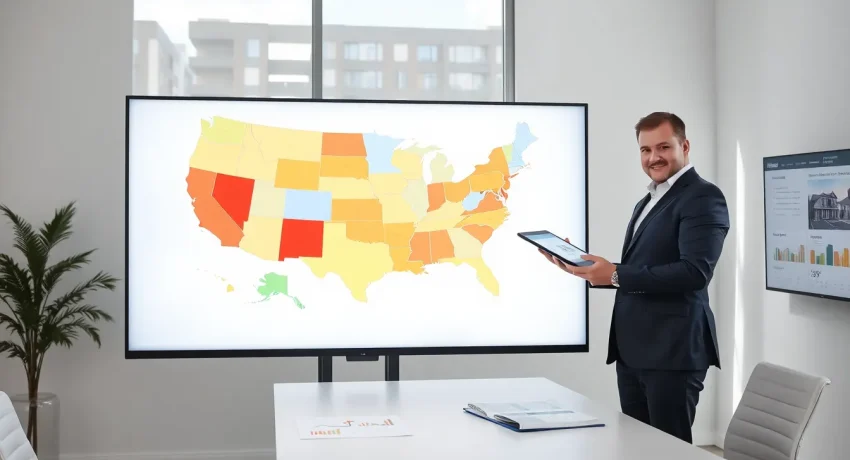
Maps showing regional price variations add value. Charts displaying price trends over time communicate information faster than paragraphs of text. Infographics summarizing key state facts can increase engagement and sharing.
Internal Linking
Connect state-by-state housing guides to each other. If the Arizona guide mentions that property taxes are lower than California’s, link to the California guide. This helps SEO and keeps readers on the site longer.
Link to related content: mortgage calculators, moving checklists, and comparison tools. Each state guide should serve as a hub for location-specific resources.
Mobile Optimization
Many readers access housing guides on phones. Test how tables, charts, and long sections display on mobile devices. Ensure the guides remain readable and functional on smaller screens.
Keeping Your State Housing Guides Updated
State-by-state housing guides require maintenance. Outdated information damages credibility and can mislead readers into bad decisions.
Establish an Update Schedule
Set a calendar for reviewing each state guide. At minimum, review guides annually. Quarterly updates work better for fast-moving markets. During review, check:
- Market data (prices, inventory, trends)
- Tax rates and exemption thresholds
- Legislative changes affecting housing
- Broken links and outdated resources
Track Market Shifts
Housing markets change quickly. A seller’s market can flip to a buyer’s market within months. Interest rate changes affect affordability. Economic shifts, factory closures, tech company expansions, reshape local markets.
Build a system for monitoring these changes. Subscribe to state and local real estate news. Follow housing economists who cover specific regions.
Document Changes
When updating state-by-state housing guides, note what changed and when. Some publishers add “Last Updated” dates to build trust. Others maintain changelog sections showing recent revisions.
This transparency signals that the guides receive active attention. Readers trust current information more than undated content.
Automate Where Possible
Some data updates can be automated. If using APIs that pull market data, set up systems to refresh figures regularly. Even if full automation isn’t possible, automated alerts can flag when data sources publish new reports.
State-by-state housing guides represent an ongoing commitment, not a one-time project. The sites that maintain their guides build lasting authority.