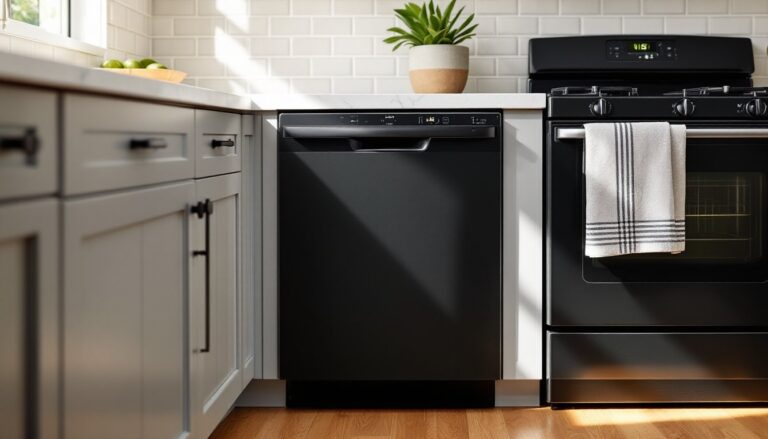
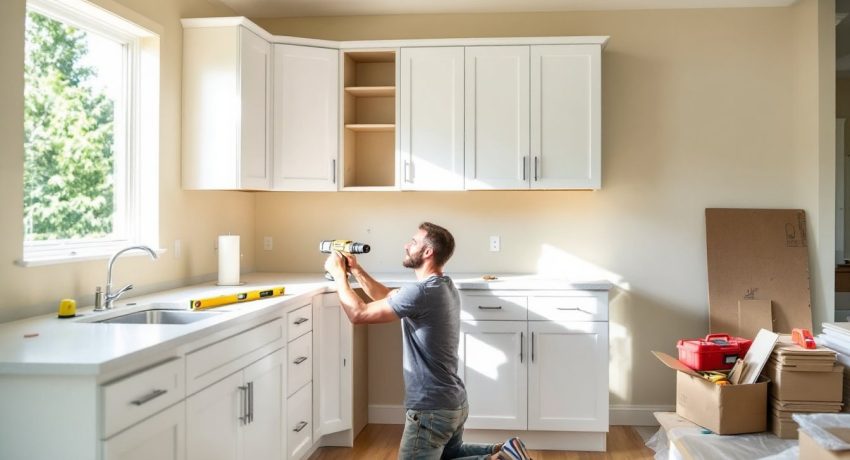

Ripping out old kitchen cabinets and installing new ones can transform a tired space without blowing the budget, if you choose wisely. Stock kitchen cabinets are the workhorse option for homeowners who want solid construction, clean lines, and a price tag that doesn’t require a second mortgage. Unlike custom builds that take weeks or months, stock cabinets are manufactured in standard sizes and finishes, ready to ship or pick up locally. That means you can start installing this weekend instead of waiting until next season. Whether you’re flipping a rental property or just ready for a fresh look, stock cabinets offer a practical path forward that balances cost, speed, and quality.
Table of Contents
ToggleKey Takeaways
- Stock kitchen cabinets offer a budget-friendly solution at $60–$200 per linear foot, delivering significant savings compared to custom builds that can cost $500–$1,200+ per linear foot.
- Pre-manufactured stock cabinets are available within days or same-day at major retailers like Home Depot, Lowe’s, and IKEA, eliminating the 8–16 week wait time of custom options.
- Standard dimensions in 3-inch increments (12″, 15″, 18″, 24″, 30″, 36″) make stock kitchen cabinets easy to plan, order, and install with DIY tools and basic carpentry skills.
- Plywood box construction with dovetail drawer joints and soft-close hinges significantly outlast particleboard alternatives, making mid-tier stock lines a smart durability investment.
- Proper installation requires establishing level reference lines at 34.5 inches for base cabinets and 54 inches for wall units, securing to studs with cabinet screws, and using shims to handle uneven floors and walls.
- Online retailers like CabinetNow and The RTA Store often undercut big-box pricing on stock cabinets, but comparing total landed cost including shipping and checking material reviews ensures the best value.
What Are Stock Kitchen Cabinets?
Stock kitchen cabinets are pre-manufactured units built to standard dimensions and sold off-the-shelf at home improvement retailers. They’re produced in volume, which keeps costs down, and they come in a limited range of styles, finishes, and configurations.
Typical stock cabinet widths run in 3-inch increments, 12″, 15″, 18″, 24″, 30″, 36″, and so on, for base and wall units. Depths are standardized: 24 inches for base cabinets, 12 inches for wall cabinets. Heights usually match industry norms: 34.5 inches for bases (which become 36″ countertop height with a countertop installed) and 30″ or 36″ for wall units.
Most stock lines use plywood or particleboard box construction with a melamine or veneer interior and face frames made from hardwood or MDF. Door styles range from simple shaker profiles to raised panels, and finishes typically include white, espresso, oak, and gray tones. You won’t find exotic veneers or hand-carved details, but you will find durable, code-compliant cabinetry that holds up to daily use.
Because they’re mass-produced, stock cabinets are warehoused and ready to go. Many big-box stores keep popular sizes in stock, meaning you can load up a truck the same day or schedule delivery within a few days. This speed is a huge advantage when you’re working against a deadline or coordinating with a contractor’s schedule.
Why Choose Stock Cabinets Over Custom or Semi-Custom Options?
The choice between stock, semi-custom, and custom cabinets comes down to budget, timeline, and how much flexibility you need. Comparing stock versus semi-custom or custom builds reveals clear trade-offs in cost, lead time, and design freedom.
Cost Savings and Affordability
Stock cabinets typically run $60 to $200 per linear foot, installed, depending on material quality and finish. Semi-custom units start around $150 to $300 per linear foot, and full custom work can easily hit $500 to $1,200 per linear foot or more.
For a standard 10′ × 10′ kitchen (about 20 linear feet of cabinetry), that’s the difference between a $2,000 stock cabinet package and a $10,000+ custom job, before countertops, hardware, or labor. The savings free up cash for upgraded appliances, better countertops, or a tile backsplash that actually makes a visual impact.
Stock cabinets achieve these lower prices through economies of scale. Factories run the same profiles and finishes continuously, cutting waste and labor time. You sacrifice customization, no odd sizes, no bespoke molding profiles, but you gain predictable pricing and immediate availability.
Quick Availability and Installation
Custom cabinets can take 8 to 16 weeks from order to delivery, and semi-custom lines typically need 4 to 8 weeks. Stock cabinets? Most are available for pickup or delivery within days, sometimes the same day if the retailer has inventory on hand.
This speed matters when you’re coordinating trades. Delays in cabinetry push back countertop templating, which delays plumbing and electrical finals, which delays occupancy. Stock cabinets keep the project moving.
Installation is also more straightforward. Because dimensions are standardized, you can plan your layout in advance, confirm measurements, and order with confidence. Fillers and shims handle small gaps, and most stock lines include matching trim pieces for a finished look. DIYers with basic carpentry skills, level, drill, stud finder, can handle installation over a long weekend, especially if they’re replacing cabinets in the same footprint.
Where to Buy Stock Kitchen Cabinets in 2026
In stock kitchen cabinets near me is one of the most common search queries for homeowners ready to start a remodel. Local availability cuts shipping costs and lets you inspect finish quality and construction before committing.
Home Depot and Lowe’s are the go-to big-box options. Both carry multiple stock lines, Home Depot’s Hampton Bay and Thomasville brands, Lowe’s Diamond NOW and Project Source, in-store and online. You can order online and pick up at the store, or arrange delivery for a fee (typically $79 to $150 depending on distance). Inspect boxes on delivery: particleboard is prone to shipping damage.
IKEA offers modular kitchen systems (SEKTION) that function as stock cabinets with a bit more design flexibility. Their frameless, European-style boxes come flat-packed, which keeps costs low and makes transport easier if you’re DIYing. IKEA cabinets require assembly, but the instructions are detailed and the hardware is included. Creative homeowners have found that IKEA cabinet hacks can elevate the basic boxes with custom doors, open shelving, and unique configurations.
Menards (Midwest and Plains states) and local kitchen and bath showrooms also stock budget-friendly lines. Showrooms sometimes carry overstock or discontinued colors at steep discounts, worth a phone call if you’re flexible on finish.
Online retailers like CabinetNow, Lily Ann Cabinets, and The RTA Store (RTA = Ready to Assemble) ship directly and often undercut big-box pricing. Shipping costs and lead times vary, so compare total landed cost before ordering. Read reviews carefully: some online-only brands use thinner materials or subpar hardware.
How to Choose the Right Stock Cabinets for Your Kitchen
Choosing stock cabinets starts with measuring your existing layout or designing a new one within standard dimensions. Grab a tape measure, sketch your walls, and note the locations of windows, doors, outlets, and plumbing.
Plan in 3-inch increments. Stock cabinets are sized in multiples of 3″, so a 10-foot wall (120″) breaks down cleanly into combinations like 36″ + 30″ + 24″ + 30″, with fillers to close small gaps. Fillers are strips of matching material (usually 3″ wide) that scribe to uneven walls and provide clearance for door swings.
Choose construction quality carefully. Look for plywood box construction over particleboard if budget allows, plywood resists moisture better and holds screws more reliably. Check drawer boxes: dovetail joints and full-extension ball-bearing slides (rated for 75–100 lbs) outlast stapled boxes with cheap roller slides. Soft-close hinges and slides are now standard on mid-tier stock lines and worth the minor upcharge.
Door style and finish should match your kitchen’s overall aesthetic. Shaker doors (flat center panel with square frame) are timeless and suit both modern and traditional spaces. Raised-panel doors lean traditional. Slab doors (flat, no frame) read modern. For finishes, painted white or gray hides finger smudges and works with most countertops. Stained wood (oak, maple, cherry tones) shows grain and adds warmth but requires periodic cleaning to avoid buildup.
Many kitchen design resources offer layout tools and inspiration galleries to help visualize cabinet arrangements and color pairings before you commit to an order.
Check what’s included. Stock cabinets sometimes ship without shelves, toe kicks, or hardware. Confirm whether hinges, drawer slides, and adjustable shelving are part of the base price or sold separately. Budget an extra 10–15% for fillers, crown molding, and end panels to finish exposed sides.
Installation Tips for DIY Homeowners
Installing stock kitchen cabinets is a manageable DIY project if you’re comfortable with a drill, level, and stud finder. It’s not fast, plan on a full weekend for a small kitchen, but it’s methodical work that doesn’t require advanced carpentry skills.
Start with a level reference line. Measure up 34.5 inches from the highest point of your floor and snap a chalk line around the room. This is the top of your base cabinets. For wall cabinets, measure up 54 inches (standard) and snap another line, that’s typically the bottom of wall units, leaving 18″ of backsplash space. Adjust if you have taller ceilings or prefer different proportions.
Install wall cabinets first. They’re easier to handle and level without base cabinets in the way. Locate studs (usually 16 inches on center in residential framing) and mark them clearly. Use a ledger board, a straight 2×4 screwed temporarily to the wall at your reference line, to support cabinets while you fasten them. Drill pilot holes through the cabinet’s hanging rail and drive 2.5″ to 3″ cabinet screws (not drywall screws) into studs. Use at least two screws per stud.
Level and shim as you go. Walls and floors are rarely perfectly flat. Slip composite shims behind cabinets to bring them plumb and level before final fastening. Check level side-to-side and front-to-back. Clamp adjacent cabinets together, align face frames, and screw them to each other before screwing to the wall. This keeps face frames flush and prevents visible gaps.
Install base cabinets next. Start in a corner and work outward. Shim to level, then screw through the back rail into studs. If you’re installing a sink base, make sure plumbing penetrations are roughed in and you’ve left clearance for supply lines and drains.
Safety notes: Wear safety glasses when drilling overhead. Wall cabinets are heavy, get a helper or use a cabinet jack to hold units in place. If you’re cutting particleboard or MDF, wear a dust mask: the fine dust is irritating and can damage lungs over time.
Finish with trim and hardware. Install toe kick material (usually a 4.5″ strip of matching finish or vinyl) along the base. Add crown molding or light rail to wall cabinets if desired. Attach handles and knobs last, after all cabinets are secured. Use a simple template or jig to keep hardware placement consistent, nothing looks worse than crooked pulls.
Most jurisdictions don’t require permits for cabinet replacement unless you’re moving plumbing or electrical. Check with your local building department if you’re relocating a sink or adding new circuits for under-cabinet lighting.