
Most dishwasher owners have stood in front of their machine at some point, pod in hand, wondering exactly where it should go. It seems simple enough, just toss it in, right? But incorrect placement is one of the most common reasons dishes come out spotty, filmy, or still dirty. The detergent compartment exists for a reason, and using it correctly makes the difference between clean plates and wasted detergent. This guide walks through where to put dishwasher pods, how to use dishwasher pods properly, and what to avoid so every load comes out sparkling.
Table of Contents
ToggleKey Takeaways
- Dishwasher pods must be placed in the main detergent compartment on the inside of the dishwasher door, not at the bottom of the tub, to ensure proper dissolution and maximum cleaning effectiveness.
- The detergent dispenser is engineered to release the pod at the optimal moment when water temperature and spray pressure are strongest, so correct placement directly impacts how clean your dishes come out.
- Avoid using wet hands when handling dishwasher pods, as moisture can cause the pod’s outer film to dissolve prematurely and prevent proper release during the wash cycle.
- Setting your water heater to 120–130°F, keeping the filter clean, and running hot water before starting the dishwasher are critical steps for ensuring pods dissolve completely and work as designed.
- Don’t unwrap, puncture, or overload the dishwasher, and never add extra detergent beyond one pod per load, as these mistakes reduce cleaning power and can trigger overflow sensors.
Understanding Your Dishwasher’s Detergent Dispenser
Every dishwasher has a detergent dispenser built into the door. It’s usually a small compartment with a hinged lid, located on the inside of the door, often next to a smaller compartment for rinse aid. This dispenser isn’t just a convenient storage spot, it’s engineered to release detergent at the precise moment in the wash cycle when it’s most effective.
When the dishwasher starts, it runs a prewash cycle that rinses away loose food debris. The detergent compartment stays closed during this phase. Once the main wash cycle begins, the compartment lid pops open automatically, releasing the pod into the tub when water temperature and spray patterns are optimized for cleaning. This timing is crucial because it ensures the detergent dissolves properly and gets distributed evenly across all dishes.
The dispenser itself typically has two sections: a main wash compartment (the larger one) and a prewash compartment (the smaller one). For standard loads, only the main compartment is needed. Some dishwashers also have a rinse aid reservoir, which is separate and should not be confused with where to put dishwasher detergent. Understanding these compartments helps clarify where do you put dishwasher pods and why that location matters for cleaning performance.
The Correct Placement: Main Detergent Compartment
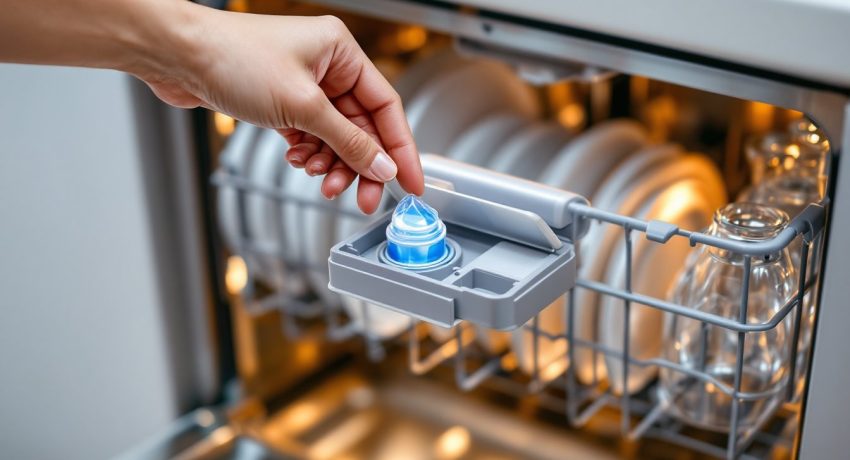
The main detergent compartment is where dishwasher pods belong. Open the dishwasher door and locate the dispenser on the inside of the door. The main compartment is the larger section, usually marked with a detergent symbol or the word “main.” Place one pod directly into this compartment with dry hands, moisture can cause the pod’s coating to start dissolving prematurely.
Don’t unwrap or puncture the pod. The outer film is designed to dissolve in water during the wash cycle. Damaging it before the cycle starts can cause the detergent to clump or release too early. Simply drop the pod in, close the lid until it clicks, and shut the dishwasher door. The latch should engage securely: if it doesn’t, the compartment may not open during the cycle.
This same placement applies whether using Cascade pods, Finish tabs, or any other brand of dishwasher tablets. Where to put Cascade pods in dishwasher is identical to where to put dishwasher tablets of any type: the main detergent compartment on the door. The dispenser design is standardized across most dishwasher brands, GE, Whirlpool, Bosch, KitchenAid, and others all use the same basic setup.
For those wondering where to put pod in dishwasher or where do i put the dishwasher pod, the answer remains consistent: main compartment, dry hands, unwrapped pod, secure lid. This placement ensures the pod releases when water jets are at full pressure and temperature is high enough to dissolve the concentrated detergent effectively.
Why the Bottom of the Dishwasher Isn’t Ideal
Many people toss the pod onto the bottom of the dishwasher tub, thinking it’ll dissolve just fine once water starts spraying. While this might work occasionally, it’s not the recommended method and often leads to poor cleaning results.
When a pod sits on the bottom rack, it can get trapped under dishes, bowls, or the utensil basket. This blocks water from reaching it, preventing full dissolution. Even worse, the pod can get stuck in the filter housing or wedged under the spray arm, physically blocking the mechanism that distributes water throughout the tub. A jammed spray arm means uneven water coverage and dishes that don’t get clean.
Another issue: timing. Pods placed on the bottom dissolve immediately when the prewash cycle starts. Most of that detergent gets flushed away with the initial rinse water, leaving little cleaning power for the main wash cycle when it’s actually needed. The dispenser holds the pod back until water temperature peaks and spray pressure is strongest, conditions that maximize cleaning chemistry.
Pods on the bottom can also leave residue. Without proper water flow and temperature, the outer film may not dissolve completely, leaving sticky bits on dishes or in the filter. If someone’s dealing with chronic residue issues, incorrect pod placement is often the culprit. Storing dish soap and pods under the sink keeps them dry and organized between uses, but during a wash cycle, the dispenser is the only correct spot.
Common Mistakes That Reduce Cleaning Effectiveness
Even when using the dispenser, several mistakes can reduce how well dishwasher pods work. First is handling pods with wet hands. Moisture activates the dissolving film, causing the pod to stick to fingers or the dispenser lid. If the pod partially dissolves before the cycle starts, it won’t release properly during the wash.
Overloading the dishwasher is another frequent error. Crowding dishes blocks water spray and prevents the pod from reaching all surfaces. Plates should face the center, bowls should angle downward, and nothing should obstruct the detergent compartment door from opening fully. If the compartment lid is blocked, the pod stays trapped inside.
Using the wrong cycle also matters. Quick wash or rinse-only cycles may not generate enough heat or run long enough for pods to dissolve completely. Pods are formulated for normal, heavy, or auto cycles where water reaches 130-140°F. Lower temperatures leave undissolved detergent and poor cleaning results.
Some users make the mistake of adding extra detergent, thinking more equals cleaner. Dishwasher pods are pre-measured for standard loads. Adding a second pod or supplementing with liquid dishwasher detergent can cause excessive sudsing, which reduces cleaning effectiveness and may trigger overflow sensors. Where to put dishwasher liquid or how to use liquid dishwasher detergent is a separate question, if using liquid instead of pods, it goes in the same main compartment, but never combine both in one load unless the manufacturer specifically recommends it.
Another issue is old or improperly stored pods. Exposure to humidity degrades the outer film and clumps the detergent inside. Pods should be kept in their original container with the lid tightly sealed, stored in a cool, dry place, not under the sink if that area is prone to leaks or condensation.
Tips for Maximum Dishwasher Pod Performance
Getting the most out of dishwasher pods starts with proper water temperature. If the home’s water heater is set below 120°F, pods may not dissolve completely. Boosting the water heater to 120-130°F improves detergent performance and sanitization. Some dishwashers have a built-in heater that raises water temperature during the cycle, but incoming water should still be warm.
Scrape, don’t rinse. Modern dishwasher detergents, including pods, need some food residue to activate enzymes that break down proteins and starches. Heavily rinsing dishes before loading can actually reduce cleaning power. Scrape off large chunks, but leave a light film of grease or sauce.
Load strategically. Place larger items on the bottom rack with their dirty surfaces facing the center spray arm. Cups, glasses, and bowls go on the top rack, angled downward so water doesn’t pool inside. Utensils should be mixed, some handles up, some down, to prevent nesting. Nothing should block the detergent dispenser or spray arms.
Run the hot water tap at the sink before starting the dishwasher. This purges cold water from the line, ensuring the dishwasher fills with hot water right from the start. Cold water in the initial fill can delay pod dissolution.
Keep the filter clean. A clogged filter restricts water flow, reducing spray pressure and preventing proper detergent distribution. Most dishwasher filters twist out easily and should be rinsed under hot water weekly. Heavy users should clean the filter every few days, especially after washing dishes with heavy starches like pasta or oatmeal.
Use rinse aid in the designated reservoir. Rinse aid isn’t detergent, it’s a surfactant that helps water sheet off dishes, reducing spots and speeding drying. It works synergistically with pods to improve overall results. Many home organization resources recommend stocking up on pods and rinse aid together for a complete cleaning system.
Troubleshooting: What to Do When Pods Don’t Dissolve
If pods consistently fail to dissolve, start by checking water temperature. Run the hot water tap at the kitchen sink until it’s steaming, then feel the water inside the dishwasher after it fills. If it’s lukewarm, the water heater may need adjustment or the dishwasher’s heating element may be faulty.
Inspect the detergent dispenser for damage. The spring-loaded lid should snap open freely during the cycle. If it’s sticky, cracked, or doesn’t latch, it may not release the pod. Clean around the latch with a toothbrush and white vinegar to remove buildup. If the mechanism is broken, replacement dispensers are available for most dishwasher models and typically cost $15-$40.
Check the spray arms for clogs. Remove them (usually a simple twist or snap-off) and rinse under running water. Poke a toothpick through each spray hole to clear mineral deposits or food debris. Weak spray pressure means the pod won’t get hit with enough water to dissolve fully.
Hard water is a common culprit. Mineral buildup coats dishes and the dishwasher interior, interfering with detergent performance. Run an empty cycle with a dishwasher cleaner monthly to remove scale. For chronic hard water issues, consider adding a water softener to the home’s plumbing or switching to pods specifically formulated for hard water.
If the pod is stuck in the dispenser after the cycle ends, the compartment lid may be blocked by a dish or rack. Rearrange the top rack so nothing hangs in front of the dispenser door. Also verify that the dishwasher is level, if it tilts forward, the door may not open properly.
Some pods simply don’t perform well in certain water conditions or dishwasher models. If problems persist after troubleshooting, try a different brand or switch to liquid or powder detergent. Liquid detergent goes in the same main compartment and may dissolve more reliably in low-temperature or low-pressure situations.
Conclusion
Where do dishwasher pods go? The main detergent compartment on the inside of the dishwasher door, every time, no exceptions. Proper placement, combined with correct loading, adequate water temperature, and regular maintenance, ensures pods dissolve completely and dishes come out spotless. Skip the shortcuts, follow the machine’s design, and cleaning performance improves immediately.