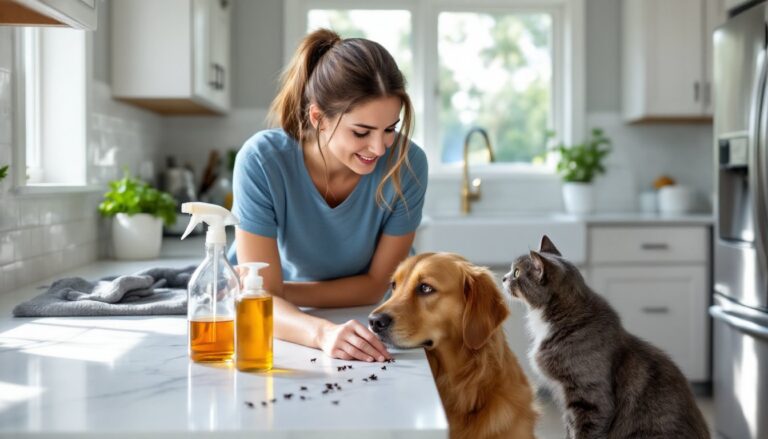
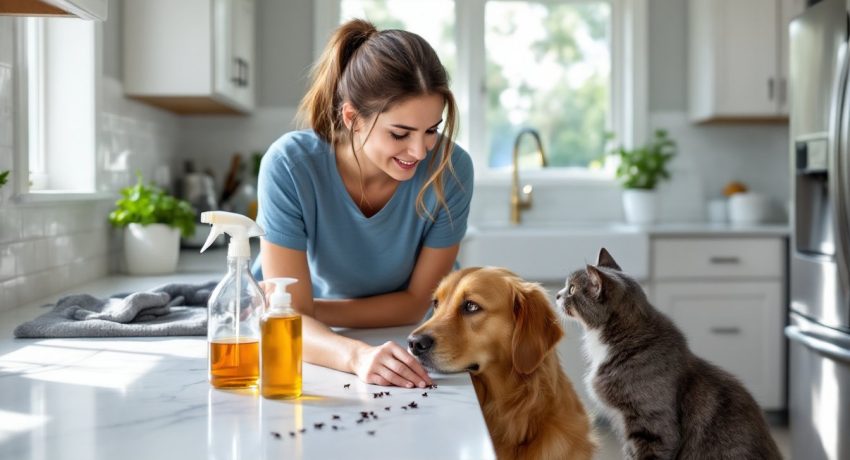

Ants marching across your kitchen counter are annoying enough. But when you’ve got a curious cat or a dog who’ll lick just about anything, grabbing the first ant killer off the shelf isn’t an option. Traditional ant control products often contain pyrethrins, fipronil, or boric acid at concentrations that can harm pets if ingested or contacted directly. The good news? Effective ant control and pet safety aren’t mutually exclusive. With the right products, application methods, and preventive strategies, homeowners can eliminate ant infestations without putting their four-legged family members at risk. This guide covers what works, what to avoid, and how to keep both pests and pets in check.
Table of Contents
ToggleKey Takeaways
- Pet-safe ant killer products like food-grade diatomaceous earth and low-concentration boric acid baits effectively eliminate ants without exposing cats and dogs to harmful toxins.
- Avoid traditional ant control products containing permethrin, fipronil, and organophosphates, which can cause drooling, vomiting, tremors, and neurological symptoms in pets.
- Apply ant treatments to inaccessible areas using enclosed bait stations, and always follow label reentry instructions to minimize pet contact with treated surfaces.
- Natural DIY solutions such as white vinegar, dish soap mixtures, and boiling water provide chemical-free ant control that is safe for dogs and cats.
- Seal cracks, eliminate food sources, fix moisture issues, and maintain a vegetation-free perimeter to prevent ant infestations before they require chemical treatment.
Why Pet-Safe Ant Control Matters for Homeowners
Pets explore their environment with their mouths, noses, and paws, behaviors that put them directly in contact with any pest control products applied to floors, baseboards, or countertops. Dogs are particularly prone to ingesting ant bait stations they find on the ground, while cats may walk through treated areas and then groom themselves, transferring chemicals to their digestive systems.
Traditional ant killers often contain ingredients like permethrin, indoxacarb, or hydramethylnon. At high doses or with repeated exposure, these can cause drooling, vomiting, tremors, or neurological symptoms in pets. Small animals, puppies, kittens, toy breeds, face higher risk due to their body weight.
Beyond immediate toxicity, residual pesticides can linger on surfaces for days or weeks. A cat brushing against a treated baseboard or a dog sniffing a patio where granular bait was spread can pick up residues that accumulate over time. That’s why selecting the best pet safe ant killer isn’t just about effectiveness against ants, it’s about minimizing exposure pathways and choosing formulations with lower toxicity profiles for mammals.
Homeowners also need to consider secondary exposure: ants carrying poisoned bait back to their colony can themselves become a hazard if a pet eats a contaminated insect. Using animal safe ant killer options reduces this chain of risk.
Top Pet-Safe Ant Killer Products That Actually Work
Not all commercially available ant control products pose equal risk. Several formulations use active ingredients that target insects specifically or are EPA-registered as reduced-risk pesticides.
Diatomaceous earth (food-grade) is a mechanical killer rather than a chemical one. Made from fossilized algae, it abrades the exoskeletons of ants, causing dehydration. It’s non-toxic to mammals when ingested in small amounts, though inhaling large quantities of dust should be avoided by both pets and humans. Apply a thin layer along ant trails, under appliances, and in cracks. Reapply after vacuuming or mopping.
Boric acid baits (low concentration) can be pet-safer when used correctly. Look for gel or liquid bait stations with 0.5%–1% boric acid rather than granular or powder forms at 5%+. Boric acid is less acutely toxic to mammals than many synthetic insecticides, but pets should still not ingest bait directly. Secure bait stations under sinks, behind furniture, or in areas pets can’t access. Products like Terro Liquid Ant Baits use a 5.4% boric acid solution, place these in cabinets or up high.
Plant-based sprays containing essential oils (peppermint, clove, cinnamon) offer contact kill and repellent properties. Some highly-rated spray options are formulated specifically as cat safe ant killer and dog safe ant killer, though they require more frequent reapplication than synthetic chemicals. They work best on visible ants and as a deterrent around entry points.
Spinosad-based products (derived from soil bacteria) target insect nervous systems with low mammalian toxicity. Spinosad is used in some flea treatments for dogs, which speaks to its selective action. Comes in granular and spray forms: follow label instructions for pet reentry times (typically dry within 30 minutes).
Baits with indole-3-butyric acid or plant oils are newer formulations marketed as reduced-risk. They’re slower-acting but effective against sugar-feeding ants like odorous house ants and Argentine ants.
Natural DIY Ant Killers Safe for Cats and Dogs
If you prefer to mix your own solutions or want a zero-pesticide approach, several household ingredients disrupt ant trails and colonies without harming pets.
White vinegar (1:1 with water) erases pheromone trails that ants use for navigation. Spray directly on ants and along baseboards, windowsills, and doorways. Vinegar is safe for pets once dry, though the smell may deter cats temporarily. Reapply daily during active infestations.
Dish soap and water (2 tablespoons soap per quart of water) creates a surfactant solution that suffocates ants on contact. Spray visible ants and wipe down surfaces. This won’t kill the colony but helps manage scouts and foragers.
Cinnamon, black pepper, or cayenne sprinkled along entry points acts as a physical and olfactory barrier. While not toxic to pets, cayenne can irritate eyes and noses if pets sniff it directly, use sparingly and in areas pets don’t frequent.
Boiling water poured directly into outdoor anthills is a simple, chemical-free method to kill colonies in sidewalks, patios, or garden beds. Effective for small to mid-sized nests: requires multiple treatments for large colonies. Keep pets away during application to prevent burns.
Cornmeal or grits are sometimes touted as DIY bait, though effectiveness is debated. The theory is that ants carry it back to the nest, where it expands and kills them, but research is inconclusive. It’s harmless to pets, so worth trying in combination with other methods.
For outdoor perimeter control, cedar mulch or coffee grounds can repel ants from foundation lines. Both are pet-safe and add organic matter to soil, though they won’t eliminate existing colonies.
How to Apply Ant Treatments Safely Around Pets
Application technique is as important as product selection when protecting pets. Even the best ant killer safe for pets can pose risk if misused.
Follow label reentry instructions. Most sprays and granular products specify a reentry time, typically 30 minutes to 2 hours after application once surfaces are dry. Keep pets out of treated rooms during this window. Close doors or use baby gates if necessary.
Use bait stations instead of loose bait. Enclosed stations prevent direct pet contact with gel or liquid baits. Place them under appliances, inside cabinets, or behind furniture where pets can’t reach. Tape down stations with heavy-duty double-sided tape to prevent curious dogs from carrying them off.
Apply treatments to inaccessible areas. Crack-and-crevice treatments inside wall voids, behind outlet plates (power off first), and under dishwashers minimize pet exposure. Use a caulking gun applicator or gel syringe for precision.
Ventilate treated areas. Open windows and run fans after spraying, especially with essential oil products that can have strong scents. This reduces airborne residues and speeds drying.
Clean up spills immediately. If granular bait scatters or liquid drips during application, wipe it up before pets investigate. Store unused product in original containers, locked in a garage or utility closet.
Monitor pet behavior post-treatment. Watch for signs of exposure: excessive drooling, vomiting, lethargy, or tremors. If symptoms appear, contact your veterinarian and bring the product label. The ASPCA Animal Poison Control Center (888-426-4435) provides 24/7 guidance for pesticide exposure.
Identifying Toxic Ant Killers to Avoid
Some ingredients are particularly hazardous to pets and should be avoided in homes with animals.
Organophosphates (chlorpyrifos, diazinon) were once common in ant control but are now restricted or banned in many jurisdictions due to high mammalian toxicity. Older products in garages or sheds may still contain them, check labels and dispose of expired pesticides through household hazardous waste programs.
Pyrethrins and pyrethroids (permethrin, cypermethrin, deltamethrin) are synthetic or plant-derived insecticides widely used in ant sprays and perimeter treatments. Cats are especially sensitive, permethrin can cause tremors, seizures, and death in felines even at low doses. Dog-specific flea products containing permethrin should never be used on cats, and residues from treated surfaces pose risk during grooming.
Fipronil (found in some bait stations and yard treatments) is moderately toxic to pets. While marketed as pet-safe in flea control at specific doses, ant products may contain higher concentrations. Limit use in homes with pets that scavenge or chew.
Avermectins (abamectin) in some gel baits can cause neurological symptoms in dogs if ingested in quantity. Keep gel applications out of reach.
Brodifacoum and other anticoagulants are used in some multi-pest baits targeting ants and rodents. These are highly toxic to pets, causing internal bleeding. Never use combination rodent/ant baits in pet-accessible areas.
Always read the EPA registration number and active ingredients list. Products labeled “natural” or “botanical” aren’t always safer, some plant extracts (neem, rotenone) have toxicity concerns. Cross-reference ingredients with pet poison resources or consult your vet before use.
Prevention Tips: Keeping Ants Away Without Harming Pets
The most pet-safe ant control is the kind you don’t have to apply. Structural and behavioral changes reduce ant attractants and entry points.
Seal entry points. Ants enter through cracks as narrow as 1/32 inch. Use silicone caulk around window frames, door thresholds, and foundation penetrations (pipes, vents, wires). Apply door sweeps to exterior doors. Check weatherstripping annually and replace worn sections.
Eliminate food sources. Store dry goods (flour, sugar, pet food) in airtight containers, hard plastic or glass, not cardboard. Wipe down counters after meal prep, and don’t leave pet food bowls out overnight. Rinse recyclables before placing in bins.
Fix moisture issues. Many ant species (carpenter ants, moisture ants) are drawn to damp wood and standing water. Repair leaky faucets, improve crawlspace ventilation, and redirect downspouts away from the foundation. Replace water-damaged subflooring or framing, carpenter ants can compromise structural integrity if left unchecked.
Maintain a vegetation-free perimeter. Keep shrubs, mulch, and firewood at least 12 inches from siding. Trim tree branches that overhang roofs, ants use them as highways into attics. Adjust sprinkler systems to avoid soaking foundation walls.
Clean up outdoor food attractants. Secure trash can lids, clean grills after use, and pick up fallen fruit from trees. Compost bins should have tight-fitting lids and be turned regularly.
Use pet-safe barriers. Line exterior doorways with diatomaceous earth or apply essential oil sprays monthly as a deterrent. These won’t eliminate colonies but help reduce traffic.
For persistent infestations, especially carpenter ants, fire ants, or pharaoh ants, consider hiring a licensed pest control professional who can apply targeted treatments (baiting inside wall voids, exterior barrier applications) with temporary pet relocation. Many pros now offer green or reduced-risk service plans compatible with pet households.
Conclusion
Controlling ants in a pet-friendly home requires a layered approach: choosing low-toxicity or mechanical control products, applying treatments strategically to limit exposure, and addressing the conditions that attract ants in the first place. Food-grade diatomaceous earth, low-concentration boric acid baits, and plant-based sprays offer effective alternatives to harsh pesticides. Pair these with solid prevention, sealing cracks, managing moisture, and eliminating food sources, and most homeowners can keep ants at bay without compromising pet safety. When in doubt, consult your veterinarian or a pest control professional familiar with reduced-risk options.