
Discovering mouse droppings in a pantry or hearing scurrying behind walls sends most homeowners straight to the hardware store. Among the options, mouse glue traps, also called sticky mouse traps or mouse sticky traps, sit prominently on shelves as an affordable, pesticide-free solution. These adhesive boards promise to catch rodents without the snap of traditional traps or the complexity of electronic models. But how well do they work, and what happens after a mouse gets stuck? Understanding the mechanics, proper placement, and humane considerations of glue trap mouse control helps homeowners make informed decisions about pest management.
Table of Contents
ToggleKey Takeaways
- Mouse glue traps are effective for light to moderate infestations in tight spaces where snap traps won’t fit, but they require proper placement along walls and high-traffic rodent pathways for maximum success.
- Correct setup and safety are critical: wear gloves, check traps twice daily, never reuse them, and dispose of caught mice by spraying with bleach solution and sealing in double bags to prevent disease transmission.
- While mouse glue traps offer a pesticide-free, affordable solution, they raise humane concerns as trapped mice can suffer for hours; snap traps, electronic traps, and live traps provide faster or more compassionate alternatives.
- Placement strategy matters more than trap quantity—position sticky mouse traps perpendicular to baseboards behind appliances, under sinks, and in corners, spacing them 2-3 feet apart in active zones rather than spreading them throughout the house.
- Glue traps alone won’t solve severe infestations; combine them with integrated pest management by sealing entry points larger than 1/4 inch, eliminating food and water sources, and storing dry goods in airtight containers.
- Common mistakes include using too few traps, checking infrequently, ignoring root causes, and mixing control methods without understanding their interaction; systematic monitoring and prevention are essential for lasting mouse control.
What Are Mouse Glue Traps and How Do They Work?
A mouse glue trap is a flat board or tray coated with a strong adhesive designed to immobilize rodents on contact. Unlike snap traps that kill instantly or live traps that contain the animal, mouse trap sticky pads rely on a thick, non-drying glue that holds mice in place once they step onto the surface. The adhesive typically covers a cardboard, plastic, or paperboard base ranging from 4×6 inches to larger 10×12-inch commercial sizes.
When a mouse walks across the sticky surface while foraging, its paws, fur, and eventually body become stuck. The more the animal struggles, the more contact it makes with the glue. Most manufacturers add a scented attractant or use food-grade oils in the adhesive to lure mice onto the pad, though many DIYers add bait in the center for extra draw.
The best mouse glue trap products feature several key characteristics: a strong adhesive that doesn’t dry out quickly, a moisture-resistant base that won’t warp in humid areas like basements, and a large enough surface area to prevent escape. Some models come pre-folded into tent shapes or boxes to prevent dust accumulation and contain the captured mouse. Glue traps work in temperatures from about 40°F to 100°F, outside that range, the adhesive can become too stiff or too runny to function properly.
When to Use Glue Traps for Mice in Your Home
Glue traps excel in specific situations where other methods fall short. They’re ideal for narrow spaces where snap traps can’t fit, think behind appliances, along baseboards in tight corners, or inside cabinets under sinks. Because they’re flat and flexible, a mouse trap sticky pad can slide into gaps as narrow as half an inch.
These traps work best for light to moderate infestations where homeowners have identified specific travel paths. Mice are creatures of habit, following the same routes along walls and edges repeatedly. When you’ve spotted droppings or grease marks indicating regular traffic, a glue trap positioned directly in that pathway has high success rates.
Glue traps also make sense when dealing with chemical sensitivities. For households avoiding rodenticides due to pets, children, or environmental concerns, adhesive traps offer a poison-free option. They’re particularly useful in food preparation areas where you can’t risk bait stations contaminating surfaces.
But, they’re not appropriate for every scenario. In homes with curious pets or small children, the sticky surface can catch paws or fingers. They’re also controversial from a humane pest control perspective, a mouse in glue trap situations can result in prolonged distress, which we’ll address later. For severe infestations involving multiple mice, glue traps alone won’t solve the problem: they’re better as part of a comprehensive integrated pest management approach that includes sealing entry points and eliminating food sources.
How to Set Up Mouse Glue Traps Correctly
Proper setup dramatically affects catch rates. Before placing any traps, put on disposable gloves, mice can detect human scent and may avoid traps you’ve handled directly. Unwrap the trap and inspect the adhesive surface for dust or debris. Some traps come with a protective paper sheet covering the glue: peel this away just before placement.
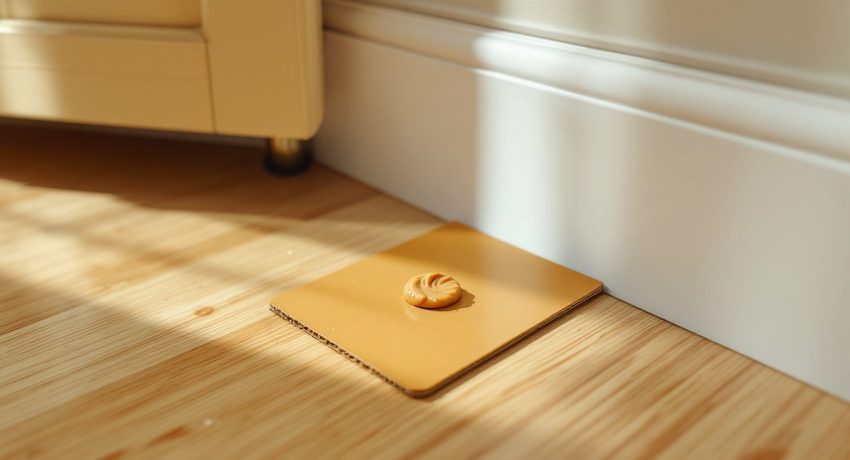
Add bait if the trap doesn’t already include an attractant. A pea-sized dab of peanut butter, a small piece of chocolate, or a few grains of birdseed in the center works well. Don’t overload the trap, too much bait lets mice grab food from the edges without stepping onto the adhesive. Press the bait lightly into the glue so it doesn’t fall off when you move the trap.
Best Placement Strategies for Maximum Effectiveness
Mice travel along walls and rarely venture into open floor space, so positioning matters more than trap quantity. Place sticky mouse traps perpendicular to walls with the long edge touching the baseboard, creating a barrier the mouse must cross. Set multiple traps in high-activity zones rather than spreading them thin throughout the house.
Focus on these proven locations:
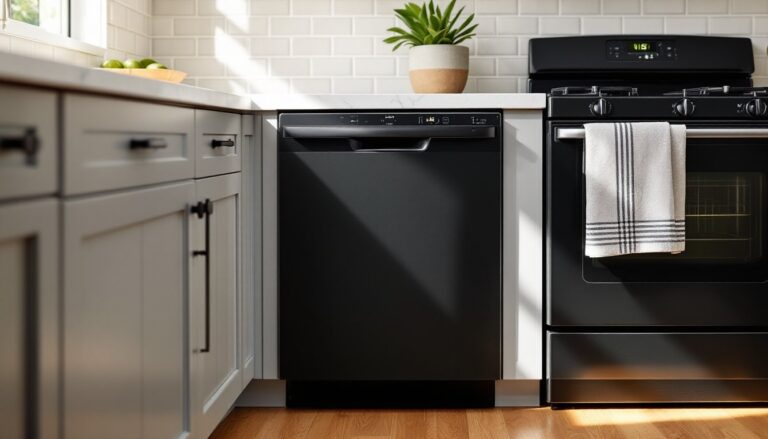
- Behind appliances: Refrigerators, stoves, and dishwashers offer warmth and food debris
- Under sinks: Plumbing gaps provide entry points: place traps along the back wall where pipes penetrate
- In corners: Mice often follow two-wall junctions for security
- Attic and basement entry points: Near access doors, vents, and where utilities enter
- Along evidence trails: Wherever you find droppings, gnaw marks, or grease smudges
Space traps 2-3 feet apart in areas of confirmed activity. In rooms where you’ve only seen occasional signs, one or two traps suffice. Check traps at least twice daily, morning and evening, especially during the first 72 hours when activity peaks. Mark placement locations and dates on a notepad: this helps identify the most productive spots for future monitoring.
Safety Precautions When Using Glue Traps
Always wear nitrile or latex gloves when handling glue traps, both during setup and disposal. Mice carry diseases including hantavirus, salmonella, and leptospirosis that can transmit through droppings, urine, and saliva. If you find a dead mouse on a trap, don’t touch it with bare hands.
Keep glue traps away from areas accessible to pets and children. Dogs and cats investigating a trap can get paws, noses, or fur stuck in the adhesive. If this happens, don’t pull, you’ll tear skin or fur. Apply a small amount of cooking oil or petroleum jelly to the stuck area and work it gently to dissolve the glue. For extensive contact, consult a veterinarian.
Ventilate the area when placing traps in enclosed spaces like crawlspaces or attics. While the adhesive itself isn’t toxic, a trapped mouse may urinate, and stirring up rodent waste in confined areas increases disease exposure risk. Wear an N95 respirator when working in dusty locations with evidence of heavy mouse activity.
Avoid placing traps where they might catch non-target animals. Outdoor use or placement near pet doors can trap beneficial creatures like shrews, songbirds, or even small snakes that help control pests naturally. If you must use glue traps in areas with mixed wildlife traffic, check them hourly and be prepared to release non-target catches immediately using the oil method described above.
Never reuse a glue trap. Once a mouse has been caught, the trap is contaminated with pathogens. Attempting to remove a mouse and reset the trap spreads disease and rarely works, the disturbed adhesive loses effectiveness.
Humane Alternatives to Glue Traps
The question of what to do with a mouse in a glue trap presents an ethical dilemma. A trapped mouse can’t escape on its own and may suffer for hours or days before dying from stress, dehydration, or exhaustion. This has led animal welfare organizations to advocate for alternatives.
Live-catch traps offer the most humane option if you’re willing to relocate mice. These enclosed boxes use bait to lure mice into a one-way door mechanism. Once caught, release the mouse at least two miles from your home in a suitable outdoor habitat, wooded areas away from other structures work best. Check live traps every few hours to minimize stress: a mouse left too long without water can suffer.
Snap traps remain the fastest-kill option when properly sized. Modern designs like the Victor Quick-Kill or expanded-trigger models deliver instant death when they function correctly. Position the trigger end flush against walls where mice travel. Testing from several home product reviews shows that well-made snap traps kill more humanely than glue traps by eliminating prolonged suffering.
Electronic traps deliver a high-voltage shock that kills in seconds. These battery-powered units cost more, typically $25-60 each, but offer clean, hands-off disposal. You simply tip the trap over a trash bag without touching the dead mouse. They work best for homeowners who check traps infrequently or are squeamish about handling catches.
For those committed to prevention, sealing entry points provides the most permanent solution. Mice squeeze through gaps as small as a dime, so inspect foundations, utility penetrations, and garage door weatherstripping. Stuff steel wool into holes before sealing with caulk or expanding foam, mice can’t chew through the metal fibers. Eliminating access beats any trap type for long-term control.
Common Mistakes to Avoid with Mouse Glue Traps
Placing too few traps ranks as the most frequent error. One or two traps rarely catch enough mice to control an active infestation. Start with at least six traps in a standard single-family home, concentrating them in the kitchen, bathrooms, and utility areas. Many DIY pest control guides recommend one trap per 8-10 linear feet along walls in affected areas.
Using old or dried-out traps wastes time. Glue traps have a shelf life of 12-18 months when stored properly. Adhesive exposed to extreme heat, cold, or humidity loses tackiness. If you press a gloved finger to the surface and it doesn’t stick firmly, toss the trap. Buying bulk packs seems economical but only if you’ll use them within a year.
Checking traps too infrequently creates two problems. First, you miss the opportunity to relocate traps to more productive areas based on early results. Second, and more critically, the question of what to do with mouse on glue trap becomes urgent when animals suffer for extended periods. If you’re using glue traps, commit to twice-daily checks.
Ignoring the root cause means endless trapping. Mice reproduce rapidly, a female can have 5-10 litters per year with 3-12 pups each. Unless you’re sealing entry points and eliminating food sources, you’re just managing symptoms. Store dry goods in airtight containers, fix leaky pipes that provide water, and seal any opening larger than 1/4 inch. Pay special attention to garage doors, dryer vents, and where utility lines enter the structure.
Improper disposal poses health risks. When you catch a mouse, don’t shake the trap or try to remove the animal. Spray the entire trap and mouse with a 10% bleach solution or disinfectant to kill pathogens, then seal it in a plastic bag. Double-bag if the mouse is still alive, this raises the question of how to kill mouse on glue trap, which unfortunately means the animal will die from asphyxiation in the bag, not an ideal outcome but more controlled than leaving it to suffer. Place the sealed bag in an outdoor trash can with a secure lid. Wash your hands thoroughly even if you wore gloves.
Mixing methods carelessly can reduce effectiveness. Using glue traps alongside ultrasonic repellents, for example, might drive mice away from the traps you’ve set. If you’re using multiple control methods, understand how they interact. Bait stations and glue traps can complement each other when positioned strategically, but avoid placing them side by side where they compete for the same mice.
The reality is that mouse control requires patience and systematic effort. Whether you choose glue traps or alternatives, success comes from understanding rodent behavior, consistent monitoring, and most importantly, preventing re-entry by addressing the structural vulnerabilities that let mice inside in the first place.