
If you’re renovating a kitchen or replacing a dead appliance, the refrigerator decision hits differently than it did a decade ago. Budget brands aren’t bottom-tier anymore, they’ve leveled up in features, energy efficiency, and design. Hisense has been making noise in the appliance market, offering French doors, side-by-sides, and counter-depth options at prices that undercut the big names by hundreds. But are these refrigerators actually worth installing in your home, or will you be calling a repair tech in a year? This review cuts through the marketing and looks at what real homeowners are experiencing with Hisense refrigerators in 2026.
Table of Contents
ToggleKey Takeaways
- Hisense refrigerator reviews reveal 20–30% cost savings compared to premium brands while maintaining similar features like inverter compressors and multi-zone cooling.
- Energy Star certified Hisense models use 400–500 kWh annually, with energy savings potentially offsetting purchase costs within a few years.
- French door and side-by-side Hisense refrigerators offer solid temperature consistency, bright LED lighting, and fingerprint-resistant finishes suitable for modern kitchen designs.
- Ice maker reliability is improving in newer models but remains a common complaint, so testing during the 30-day return window is recommended.
- Hisense refrigerators are ideal for budget-conscious renovations and shorter ownership cycles, but lack the 20+ year track record of established brands like Whirlpool or KitchenAid.
- Customer service response times vary by region; metro areas typically see service calls within a week, while rural locations may experience longer waits.
Why Hisense Refrigerators Are Gaining Popularity Among Homeowners
Hisense isn’t a startup, they’ve been manufacturing appliances and electronics for decades, primarily in international markets. Their U.S. push in recent years has focused on delivering features typically found in premium brands but at mid-range pricing. That means you’re getting things like inverter compressors, multi-zone cooling, and smart app integration without the four-figure price tag.
Homeowners appreciate the value proposition. A comparable French door model from a legacy brand might run $2,000–$2,500, while Hisense equivalents often land between $1,200 and $1,800. That price gap matters when you’re also budgeting for countertops, backsplash tile, or a new dishwasher.
Another draw: Energy Star certification across most models. If you’re upgrading from a 15-year-old unit, the energy savings alone can offset part of the purchase price over a few years. Hisense models typically pull 400–500 kWh annually, which is competitive with LG and Samsung units in the same size range.
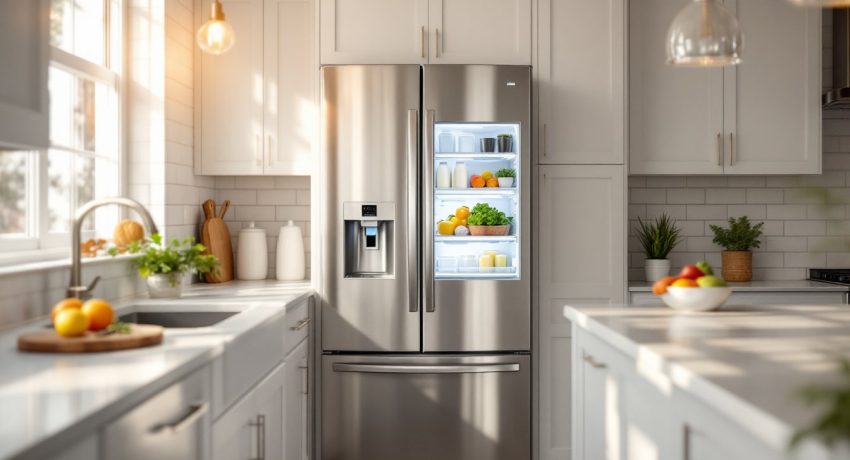
Design-wise, they’re not flashy, but they’re clean. Stainless steel finishes resist fingerprints better than older coatings, and the interior LED lighting is bright enough for late-night snack runs without waking up the house. For DIYers doing a budget-conscious kitchen refresh, Hisense offers a modern look that doesn’t scream “cheapest option.”
Top Hisense Refrigerator Models Reviewed
French Door Models: Space and Style Combined
The Hisense RF20N6ASE is a 20.1 cubic foot French door model that’s become a go-to for small to mid-size kitchens. Standard depth means it’s easier to install in existing cabinetry without custom panel work. You get adjustable glass shelves, full-width drawers, and dual crispers with humidity controls.
Real-world capacity is solid. A family of four can fit a week’s groceries without Tetris-level stacking. The freezer is bottom-mount with a pull-out drawer, much better than the old swing-door style that dumps frozen peas on your feet. One quirk: the ice maker is in the door, which eats into usable door bin space. If you store a lot of gallon jugs or tall bottles, plan accordingly.
Temperature consistency is where Hisense has improved. Earlier models had reports of fluctuating temps, but 2025–2026 units use dual evaporators to keep the fridge and freezer zones independent. That means your ice cream stays frozen, and your lettuce doesn’t wilt in two days.
For tighter spaces, the Hisense RF175N4AC2 is a counter-depth French door at 17.5 cubic feet. It sits flush with standard 24-inch-deep cabinets, giving a built-in look without the custom price. This model often appears on expert refrigerator roundups for its balance of form and function. Installation is straightforward, just confirm your water line hookup if you’re using the ice maker.
Side-by-Side Options: Best for Large Families
The Hisense RS23D4ASE is a 23 cubic foot side-by-side that appeals to families who need serious storage and prefer eye-level access to both fresh and frozen goods. Side-by-sides aren’t trendy, but they’re practical, narrow doors work better in galley kitchens or tight spaces where a full-width French door would block traffic.
This model includes LED touch controls, spill-proof glass shelves, and a water/ice dispenser. The water filter is a standard 6-month replacement cartridge, easy to swap without tools. Freezer space is generous: you can fit a Costco haul of frozen chicken, pizza, and a whole turkey without issue.
One caveat: side-by-sides aren’t ideal for wide items. A full-size sheet cake or party platter won’t fit unless you remove shelves. If you frequently host or meal prep in bulk, the French door layout is more forgiving.
Noise level is low, compressor cycling is barely audible in an open-plan kitchen. For reference, Hisense lists this model at around 39 decibels, comparable to a quiet library. If your old fridge hums like a diesel truck, the difference is noticeable.
Pros and Cons: What Real Users Are Saying
User feedback from 2025–2026 buyers highlights consistent themes. On the positive side, value for money tops the list. Homeowners who cross-shopped Hisense against Whirlpool, Frigidaire, or GE report similar features at 20–30% lower cost. The build quality feels solid, no rattling doors or loose handles out of the box.
Temperature performance gets high marks once properly calibrated. Out of the factory, some units run slightly warm. Set the fridge to 37°F and freezer to 0°F, then give it 24 hours to stabilize before loading food. After that, temps hold steady.
Ice maker reliability is improving but still a common complaint. Early Hisense models had plastic ice maker assemblies that cracked or jammed. Newer units use reinforced components, but you’ll still find reports of slow ice production or occasional jams. If ice is a dealbreaker, test it heavily in the first 30 days while you’re still in the return window.
Customer service is hit-or-miss. Hisense uses third-party service networks in the U.S., so response times vary by region. If you live in a metro area, service calls usually happen within a week. Rural locations might wait longer. Warranty coverage is standard: one year parts and labor, with a five-year sealed system warranty (compressor, evaporator, condenser). That’s on par with most manufacturers.
On the downside, longevity is the big question mark. Hisense doesn’t have the 20-year track record of Whirlpool or KitchenAid. Most user reviews are from units under three years old. If you’re flipping a house or planning a five-year remodel cycle, that’s fine. If you want a refrigerator that’ll outlast your mortgage, consider a brand with longer field data.
Shelf durability is another minor gripe. The glass shelves are tempered, but the plastic trim and adjustment clips can feel flimsy. Don’t overload shelves beyond the recommended 50 pounds, especially the upper ones.
How Hisense Compares to Other Budget-Friendly Brands
When shopping budget refrigerators, Hisense competes directly with Frigidaire, GE, Whirlpool, and Insignia (Best Buy’s house brand). Here’s how they stack up.
Frigidaire has stronger name recognition and a wider service network, but comparable models often cost $200–$300 more. Frigidaire’s build quality feels slightly more robust, thicker door seals, heavier shelves, but you’re paying for that refinement.
GE offers more finish options (slate, black stainless) and better smart home integration. If you’re running a fully connected kitchen with voice assistants, GE’s app ecosystem is more mature. Hisense’s smart features are basic: remote temp adjustments and alerts, but no recipe suggestions or grocery list integration.
Whirlpool is the go-to for repairability. Parts are stocked at most appliance shops, and independent techs know the platform inside out. Hisense parts availability is improving, but you might wait a week for a replacement water filter or shelf.
Performance testing from independent labs shows Hisense holds its own. When compared against top-rated refrigerators, Hisense models score well in energy efficiency and temperature consistency but lag slightly in noise reduction and long-term durability testing.
For DIYers comfortable with basic troubleshooting, Hisense is a solid pick. If you prefer a set-it-and-forget-it appliance with robust support, spending extra on Frigidaire or Whirlpool might save headaches down the line.
Conclusion
Hisense refrigerators deliver legitimate value in 2026, especially if you’re working within a tight renovation budget or replacing a failed appliance fast. They’re not heirloom pieces, but they’re well-engineered, energy-efficient, and feature-rich enough for modern kitchens. Buy from a retailer with a strong return policy, test everything in the first month, and you’ll likely be satisfied. Just don’t expect the same longevity as a premium brand, and factor in potential service wait times if you’re outside a major metro area.