
If you’ve ever spent 20 minutes scrubbing windows only to step back and see a hazy mess of streaks and smudges, you know the frustration. The problem usually isn’t your technique, it’s your cleaner. Traditional glass sprays often leave behind residue from dyes, soaps, and surfactants that cloud your view. Invisible Glass cleaner promises a different approach: no streaks, no film, just transparent results. This guide breaks down what makes Invisible Glass work, how to use it properly, and whether it’s worth swapping out your current bottle.
Table of Contents
ToggleKey Takeaways
- Invisible Glass cleaner eliminates streaks and film by using fast-evaporating solvents without soaps, dyes, or ammonia, making it superior to traditional glass cleaners that leave residue.
- The aerosol and pump spray formulas dry within 30–60 seconds and are safe for tinted, coated, and energy-efficient windows, preventing the damage that ammonia-based cleaners can cause.
- Proper technique—cleaning in shade with microfiber cloths in straight lines and avoiding over-spraying—ensures streak-free results with minimal buffing required.
- Invisible Glass works on mirrors, shower doors, and glass tabletops, and stays cleaner longer since residue-free surfaces don’t attract dust like traditional soap-based cleaners do.
- Hard water mineral deposits require an acidic cleaner like vinegar first; heavy grease benefits from a degreaser pass before using Invisible Glass for optimal clarity.
- While Invisible Glass costs slightly more per ounce than generic cleaners ($5–$7 per 19-ounce can), lower product use and no re-cleaning needs offset the price difference.
What Is Invisible Glass Cleaner and Why Is It Different?
Invisible Glass is a solvent-based glass cleaner that contains no soaps, scents, or dyes, ingredients commonly found in traditional formulas. This matters because those additives are what leave the streaky film on glass after cleaning. When soap residue dries, it scatters light and creates visible streaks, especially in direct sunlight or at certain angles.
The formula relies on fast-evaporating solvents (typically alcohols like isopropanol and glycol ethers) to dissolve oils, fingerprints, and grime without leaving anything behind. Because it’s ammonia-free, it won’t cloud or damage tinted windows, automotive glass coatings, or plastic trim, a common issue with harsher cleaners.
Invisible Glass is available in aerosol spray and pump trigger versions. The aerosol delivers a fine, even mist that covers large surfaces quickly, while the pump spray offers more control for smaller panes or spot cleaning. Both dry fast, usually within 30 to 60 seconds depending on humidity and ventilation.
This cleaner was originally developed for automotive detailing, where streak-free visibility is critical for safety. That background shows in its formulation, it’s designed for glass that gets inspected closely and needs to perform under harsh lighting conditions.
Key Benefits of Using Invisible Glass Cleaner for Your Home
The most obvious benefit is streak-free clarity. Because there’s no soap or wax in the formula, the glass dries clear without haze or streaking, even on large picture windows or sliding glass doors that show every imperfection.
Fast drying time means you’re not wiping and buffing endlessly. Most surfaces are clean and dry within a minute, which cuts down on labor and makes it practical for multi-pane projects like French doors or bay windows.
It’s safe for tinted and coated glass, including low-E windows common in energy-efficient homes built after 2010. Ammonia-based cleaners can degrade these coatings over time, reducing their insulating properties. Invisible Glass won’t cause that damage.
Because the formula is residue-free, glass stays cleaner longer. Soap-based cleaners can attract dust and dirt to the sticky film they leave behind, meaning windows get grimy faster. With Invisible Glass, there’s nothing for dust to cling to.
It also works well on mirrors, shower doors, and glass tabletops, any smooth, non-porous surface where clarity matters. For shower glass, use it after squeegee-ing water off to prevent soap scum buildup without adding a new layer of film.
How to Use Invisible Glass Cleaner for Best Results
Start with the right conditions. Clean glass on a cloudy day or when windows are in shade. Direct sunlight heats the glass and causes the cleaner to evaporate before you can wipe it, which ironically creates streaks.
Use a clean microfiber cloth, not paper towels. Paper towels shed lint and often contain binders that leave their own residue. A fresh microfiber cloth (one that hasn’t been washed with fabric softener, which leaves coating) picks up grime without adding texture.
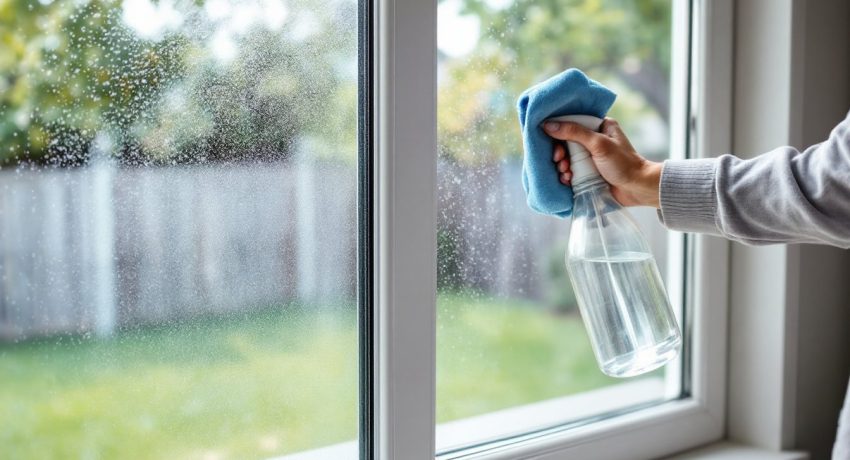
- Spray the glass evenly from about 6 to 8 inches away. For aerosol, a light, sweeping pass is enough. For pump spray, 3 to 4 spritzes per standard window pane.
- Wipe in straight lines, either all horizontal or all vertical, rather than circular motions. This makes it easier to spot any remaining streaks.
- Flip to a dry section of the cloth and buff lightly if needed. With Invisible Glass, you usually won’t need much buffing.
- For heavily soiled glass, do a first pass to remove bulk grime, then a second light spray and wipe for final clarity.
Ventilate the area when cleaning indoors. The solvents evaporate quickly and are generally low-toxicity, but good airflow prevents fumes from building up, especially in small bathrooms or enclosed sunrooms.
Choosing the Right Formula for Different Surfaces
Invisible Glass comes in a few versions. The original formula (aerosol or pump) is the go-to for most interior and exterior glass. It handles fingerprints, dust, light grease, and water spots.
For automotive or exterior applications where glass faces road film, bugs, or heavy pollution, look for Invisible Glass with Rain Repellent. This version includes a hydrophobic coating that beads water off windshields and reduces the need for wipers in light rain. It’s also useful on bathroom mirrors in high-humidity areas.
If you’re cleaning acrylic or polycarbonate panels (common in storm windows, patio enclosures, or older skylights), test in an inconspicuous spot first. While Invisible Glass is generally plastic-safe, some older acrylics can craze or cloud with solvent exposure. For true plastic windows, a dedicated plastic cleaner is safer.
Avoid using Invisible Glass on anti-glare or anti-reflective coatings found on some specialty architectural glass or computer monitors unless the manufacturer specifically approves solvent cleaners. These coatings can be delicate.
Common Mistakes to Avoid When Cleaning Glass
Using dirty rags is the number-one cause of streaks. If your microfiber cloth has been sitting in the garage or was used to wipe down oily tools, it’ll transfer grime back onto the glass. Keep a dedicated set of cloths for glass only, and wash them in hot water without fabric softener.
Over-spraying wastes product and creates drips that dry into streaks. A light, even coat is all you need. If cleaner is running down the glass, you’ve used too much.
Skipping the frames and sills leaves dirt that transfers back onto clean glass the next time you open the window. Wipe down muntins, sashes, and tracks with a damp cloth before you start on the glass.
Cleaning in direct sunlight causes the solvents to evaporate before you can wipe, leaving behind whatever they dissolved. Wait for shade or overcast skies, or clean interior windows with the blinds closed.
Not checking both sides. It’s common to clean one side of a window and assume the streaks you’re seeing are on that side. Step outside (or inside) and check, the smudges might be on the opposite surface.
Ignoring hard water stains. Invisible Glass works on fresh water spots, but it won’t remove mineral deposits that have etched into the glass. For those, you need an acidic cleaner (white vinegar or a commercial lime remover) followed by Invisible Glass to finish streak-free. According to cleaning experts who test glass cleaners, tackling heavy buildup first is essential for truly clear results.
Invisible Glass vs. Traditional Glass Cleaners: Which Is Better?
Traditional glass cleaners, like the blue stuff in the spray bottle, rely on ammonia, surfactants, and detergents to cut grease. They work, but the soap leaves a film that attracts dust and can streak if you don’t buff thoroughly. Ammonia also has a strong odor and can damage tinted windows, wood frames, and certain plastics over time.
Invisible Glass uses alcohol-based solvents instead. It evaporates completely, leaving no residue. The trade-off is that it’s slightly less effective on very heavy grease (like kitchen backsplash glass near a stove). For those situations, a degreaser or soapy water first pass, followed by Invisible Glass, gets you the best result.
In side-by-side tests, professionals who evaluate the best glass cleaners of 2025 consistently rank residue-free formulas higher for clarity and ease of use, especially on large or multi-pane surfaces.
Cost per use is slightly higher with Invisible Glass. A 19-ounce aerosol runs about $5 to $7 and covers roughly 50 to 60 square feet of glass, versus generic cleaners at $3 for 32 ounces. But because you use less product per cleaning and don’t need to re-clean streaks, the real-world cost difference narrows.
Environmental and health considerations: Invisible Glass contains VOCs (volatile organic compounds) from the solvents, so it’s not the greenest option. If low-VOC or plant-based formulas are a priority, look for alternatives like vinegar-based sprays or concentrate refills. That said, Invisible Glass doesn’t contain ammonia or chlorine, which are respiratory irritants.
Where to Buy Invisible Glass Cleaner and What to Look For
Invisible Glass is widely available at auto parts stores (AutoZone, O’Reilly, Advance Auto Parts), big-box home improvement retailers (Home Depot, Lowe’s), and online through Amazon, Walmart, and the manufacturer’s site. Prices are fairly consistent, though auto parts stores occasionally run promotions or bundle deals.
When buying, check the product label to confirm it’s the ammonia-free, residue-free formula. Some retailers stock similar-sounding products that aren’t the same formulation. Look for “Invisible Glass” by Stoner Car Care as the brand.
If you’re cleaning a large project, say, replacing all the windows in a sunroom or detailing a home before sale, buy in bulk. Multi-packs of aerosol cans or gallon refills (if you have a reusable spray bottle) bring the per-ounce cost down.
For those interested in DIY alternatives, a homemade version using 70% isopropyl alcohol, distilled water, and a drop of dish soap (just enough to help the solution cling) can approximate the results. Mix 1 cup alcohol, 1 cup water, and 1 tablespoon white vinegar in a spray bottle. It won’t be quite as streak-free as Invisible Glass, but it’s a budget-friendly option for routine maintenance.
Homeowners looking for comprehensive guidance on maintaining their spaces can find a range of helpful resources on home improvement and cleaning best practices to support all kinds of DIY projects beyond just glass care.