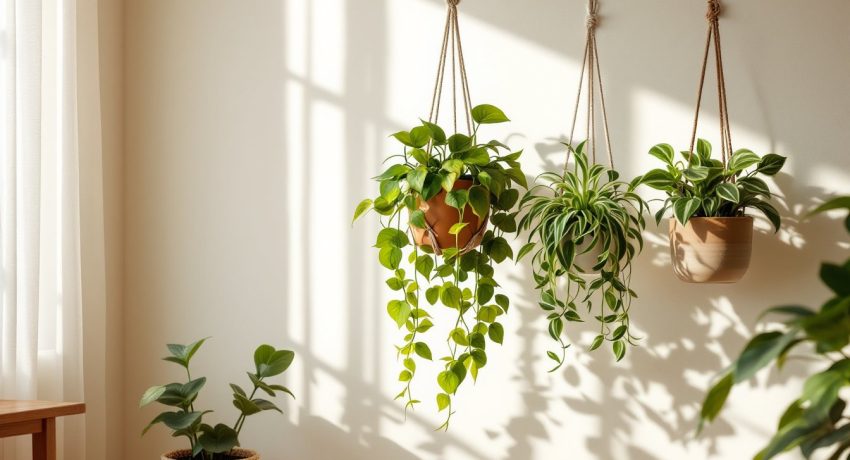

Hanging plants aren’t just a trend, they’re a smart solution for anyone working with limited floor space, awkward room layouts, or bare vertical surfaces that need life. Suspend the right plant in the right spot, and you instantly soften a hard corner, draw the eye upward, and add texture without cluttering surfaces. Unlike countertop plants that collect dust and take up valuable real estate, hanging varieties make use of overhead space that otherwise goes to waste. Whether someone’s dealing with a cramped apartment, a sun-drenched kitchen window, or a dim hallway that needs greenery, there’s a hanging plant that’ll thrive there, and installation is simpler than most people think.
Table of Contents
ToggleKey Takeaways
- Indoor hanging plants maximize limited floor space while adding visual layers and improving air quality by filtering volatile organic compounds from paint, adhesives, and furnishings.
- Beginner-friendly hanging plants like pothos, spider plants, and philodendron tolerate low light and irregular watering, making them ideal for apartments, offices, and bathrooms.
- Proper installation requires locating ceiling joists or using toggle bolts rated for 10+ pounds, and choosing display options like macramé hangers, tension rods, or wall-mounted brackets that match your décor.
- Consistent watering, seasonal light adjustments, monthly fertilizing, and weekly pest inspections keep hanging plants thriving without advanced gardening skills.
- String of Pearls, Boston Ferns, and Burro’s Tail bring brightness and texture to sunny windows and humid spaces when given the right light and moisture conditions.
Why Choose Hanging Plants for Your Home?
Hanging plants solve real design and spatial problems. They free up floor and shelf space, which matters in smaller homes or rooms where every square foot counts. Suspended greenery also creates visual layers, when a room has plants at eye level, waist height, and overhead, it feels fuller and more intentional without adding furniture.
From a practical standpoint, hanging plants can improve indoor air quality by filtering VOCs (volatile organic compounds) found in paint, adhesives, and furnishings. Species like pothos and spider plants are particularly effective at this. They also add humidity to dry indoor environments, which helps during winter months when forced-air heating drops relative humidity below comfortable levels.
There’s a safety angle, too. Pets and small children can’t reach plants hung at ceiling height, making it possible to grow varieties that would otherwise be risky on a coffee table. That opens up options like English ivy or philodendron, which are mildly toxic if ingested but perfectly safe when suspended out of reach.
Finally, many home decor ideas emphasize vertical gardening as a way to maximize greenery in rental spaces where built-in shelving or permanent installations aren’t allowed. A ceiling hook and a macramé hanger leave minimal damage and can be removed when someone moves.
Best Indoor Hanging Plants for Beginners
Low-Light Champions
Pothos (Epipremnum aureum) tolerates neglect better than most houseplants. It thrives in indirect light but survives in low-light corners, bathrooms, or offices with only fluorescent fixtures. Vines can grow several feet long: trim them back with clean pruning shears when they get leggy, and propagate the cuttings in water. Pothos prefers to dry out slightly between waterings, stick a finger two inches into the soil, and if it’s dry, water thoroughly until it drains from the bottom.
Spider Plant (Chlorophytum comosum) produces arching foliage and dangling offshoots (called spiderettes) that root easily when planted. It handles low to medium light and forgives inconsistent watering. Spider plants prefer temperatures between 55°F and 80°F and can develop brown leaf tips if tap water contains high fluoride or chlorine: switch to filtered or distilled water if that becomes an issue.
Philodendron heartleaf (Philodendron hederaceum) features glossy, heart-shaped leaves on trailing vines. It adapts to low light but grows faster with bright, indirect exposure. Water when the top inch of soil is dry. This plant benefits from occasional wiping of leaves with a damp cloth to remove dust and keep photosynthesis efficient.
Bright and Beautiful Options
String of Pearls (Senecio rowleyanus) needs bright, indirect light and well-draining soil, typically a cactus or succulent mix. Overwatering kills it faster than drought: water only when the pearls start to pucker slightly. Hang it near a south- or west-facing window with sheer curtains to diffuse direct sun.
Boston Fern (Nephrolepis exaltata) craves humidity and consistent moisture. It’s ideal for bathrooms with windows or kitchens where steam from cooking keeps the air moist. Mist the foliage every few days or set the pot on a pebble tray filled with water (pot shouldn’t sit in water, just above it). Ferns drop leaves if the soil dries out completely, so check moisture every few days.
Burro’s Tail (Sedum morganianum) is a succulent with trailing stems covered in plump, blue-green leaves. It needs at least four to six hours of bright light daily. Plant it in a terracotta pot with drainage holes and a cactus mix. Water deeply but infrequently, every two to three weeks, depending on humidity. The leaves are fragile and break off easily, so hang it in a spot where it won’t be bumped.
Creative Ways to Display Your Hanging Plants
Ceiling hooks are the most straightforward option. Use a stud finder to locate a ceiling joist, then install a screw-in hook rated for at least 10 pounds (most planters with soil and water weigh 5–8 pounds, but over-spec for safety). For drywall-only mounting, use a toggle bolt or molly bolt rated for the weight. Mark the hook location with a pencil, drill a pilot hole slightly smaller than the hook shaft, and twist the hook in by hand or with pliers.
Tension rods work well in window frames or between walls in narrow spaces. Choose a rod rated for the combined weight of all planters. Hang S-hooks or small macramé hangers from the rod, spacing plants to avoid crowding.
Wall-mounted brackets offer flexibility in rooms where ceiling access is limited or aesthetics call for staggered heights. Install brackets into wall studs using 2½-inch wood screws for solid hold. Studs are typically spaced 16 inches on center in most residential construction (24 inches in some newer builds). If studs aren’t where you need them, use heavy-duty drywall anchors rated for at least 20 pounds.
Floating shelves with hanging plants below create a layered effect. Mount the shelf securely to studs, then install small hooks on the underside of the shelf to hang trailing plants. This setup works well over desks, kitchen sinks, or entryway consoles.
Macramé hangers add texture and can be adjusted in length by retying knots. Choose cotton or jute rope, synthetic cords can look cheap and don’t age as well. Many low-maintenance hanging plants pair well with neutral-toned macramé that complements both modern and bohemian interiors.
Shower curtain rods in bathrooms can double as plant hangers for ferns, pothos, or orchids that thrive in humid conditions. Make sure the rod is a spring-tension type rated for extra weight, or replace it with a mounted rod and flanges screwed into wall studs.
Essential Care Tips for Thriving Hanging Plants
Watering is trickier with hanging plants because water drains into the saucer or drip tray, which can overflow if someone’s not careful. Use a small step stool or ladder to reach the plant safely, never stand on furniture. Water slowly until it begins to drip from drainage holes, then stop. Empty the saucer after 15 minutes so roots don’t sit in standing water, which leads to root rot.
For hard-to-reach plants, consider a watering globe or self-watering planter insert. Alternatively, take the plant down once a week, water it in a sink or bathtub, let it drain completely, then rehang it.
Light exposure changes with seasons. A south-facing window that provides bright indirect light in summer may deliver harsh, direct sun in winter when the sun sits lower in the sky. Rotate plants every few weeks so all sides receive even light and growth stays balanced.
Fertilizing during the growing season (spring and summer) keeps foliage lush. Use a balanced, water-soluble fertilizer diluted to half the recommended strength, applied every four to six weeks. Hanging plants in smaller pots have limited soil volume, so nutrients deplete faster than floor plants in larger containers. Flush the soil with plain water every couple of months to prevent salt buildup from fertilizer, which shows up as white crust on the soil surface.
Pruning prevents plants from becoming straggly. Trim dead or yellowing leaves at the base with clean scissors or pruning shears. For vining plants like pothos or philodendron, cut just above a node (the bump on the stem where leaves emerge) to encourage bushier growth. Save healthy cuttings for propagation, root them in water or moist soil.
Humidity matters, especially for ferns and tropical species. Group several plants together to create a microclimate with higher humidity, or run a small humidifier nearby. Misting helps temporarily but isn’t a substitute for consistent ambient humidity. Aim for 40–60% relative humidity: a simple hygrometer (available for under $10) monitors levels accurately.
Pest prevention includes inspecting plants every week for signs of spider mites, aphids, or mealybugs. These pests thrive in dry indoor air and can spread quickly. Wipe leaves with a damp cloth to remove dust and check the undersides where pests hide. If an infestation starts, isolate the affected plant and treat it with insecticidal soap or neem oil, following label instructions. Wear gloves and apply treatments in a well-ventilated area.
Repotting becomes necessary when roots circle the inside of the pot or grow through drainage holes. Choose a pot one size larger (typically 1–2 inches wider in diameter), and use fresh potting mix appropriate for the plant type. Many indoor hanging plants benefit from repotting every 18–24 months to refresh soil and prevent nutrient depletion.
Conclusion
Hanging plants deliver practical benefits, air purification, space savings, and design flexibility, without requiring advanced horticulture skills. Start with one or two low-maintenance varieties, dial in a watering routine, and add more as confidence builds. The key is matching plant needs to available light and committing to consistent care. With the right hooks, a little planning, and regular attention, vertical greenery becomes a permanent, thriving feature rather than a short-lived experiment.